



How Genetic Treatment Is Transforming Care for Inherited Diseases
You suffer from an inherited disease if you have received it from your parents. These diseases result from defects in the DNA (genetic information) forms the basic building blocks of your body and control how you physically develop and function. Scientists throughout the world have been exploring ways to improve the treatment options available for inherited diseases for years. One of the new techniques currently being investigated is called genetic treatment. Gene therapy is a new, innovative approach to curing genetic diseases by correcting the errors in the genes that cause them.
Understanding Genetic Treatment in Simple Terms
A new form of medicine known as genetic treatment targets defective genes and repairs them or corrects their function to alleviate or manage the effects of disease. Genetic treatment differs from conventional medicine because it addresses the genetic factors that directly cause the disorder rather than treating only the visible symptoms of a disease through medication. Genetic therapy has recently opened new avenues for treating patients with many different heritable disorders, such as muscular dystrophy, cystic fibrosis, haemophilia, and almost all rare congenital metabolic disorders (even Down syndrome). Countries around the world are actively working to increase the availability, safety, and effectiveness of genetic therapies through increased research and funding.
Why Inherited Diseases Need Genetic Treatment
An inherited disease is a lifelong condition that can dramatically impact how an individual goes about their day-to-day activities. Many inherited diseases manifest in early childhood. Due to the presence of incorrect information in the biochemistry of the body, conventional medicine cannot provide a permanent resolution to the problem. Genetic treatment, however, addresses the problem at the source and therefore has tremendous potential for long-term therapeutic benefit and even full resolution of the disease for many patients worldwide.
Major Types of Genetic Treatment Approaches
Different strategies are being employed by scientists to treat genetic diseases, based on more than one disease type and gene type.
- Gene Replacement Therapy
Gene Replacement Therapy replaces an unhealthy gene with a healthy one. It allows the patient to make the right protein for normal body function. Successful treatments include spinal muscular atrophy. The techniques are still being improved worldwide to ensure that Gene Replacement is safer for the patient.
- Gene Editing Technology
Gene Editing allows scientists to directly change/fix a defective gene inside an individual’s cells. Using advanced methods, Gene Editing can repair mistakes found in DNA and will lead to normal function for patients affected by Defective Genes. Currently, Gene Editing is still developing, but this method shows a lot of promise and will be the method of choice for future Therapies.
- Gene Silencing Methods
Gene Silencing is used when a patient’s bad gene is overactive. Gene Silencing reduces or stops the bad gene from being active, thereby stopping the production of harmful proteins from the bad gene. Gene Silencing has been widely studied for Neurologic Disorders and Hereditary Blood Disorders. Many researchers feel that Gene Silencing will play an important role in Genetic Treatments in the next few years.
Types of Genetic Treatment Approaches
| Type of Genetic Treatment | How It Works | Simple Explanation |
| Gene Replacement | Replaces faulty gene | Adds a correct instruction |
| Gene Editing | Fixes gene errors | Corrects mistakes in DNA |
| Gene Silencing | Stops harmful genes | Switches off bad genes |
| Genetic Material | Carries the genetic code | DNA and RNA instructions |
Role of Genetic Material in Treatment Success
The development of genetic treatment relies on a thorough understanding of the genetic code. Both DNA and RNA provide instructions to cells in the body, and any mistakes made in those codes result in illnesses. As such, scientists have dedicated time to creating targeted treatments for every genetic disorder. Doctors can now use sophisticated technology to introduce corrected genetic material into patients with maximum safety. In addition to using genetic information to reduce the likelihood of side effects, there are numerous clinical trials worldwide studying ways to improve how patients respond to treatment.
Global Progress in Genetic Treatment
Different countries contribute to the growth of genetic treatment. The United States and Europe lead many clinical trials, while Asian countries are rapidly advancing research and affordability. International collaboration has helped speed up approvals and safety testing.
In developing countries, access to genetic therapy is still limited. However, global health organizations are working to make treatments more accessible. As research expands, genetic therapy is expected to reach more patients globally.
Ethical and Safety Considerations
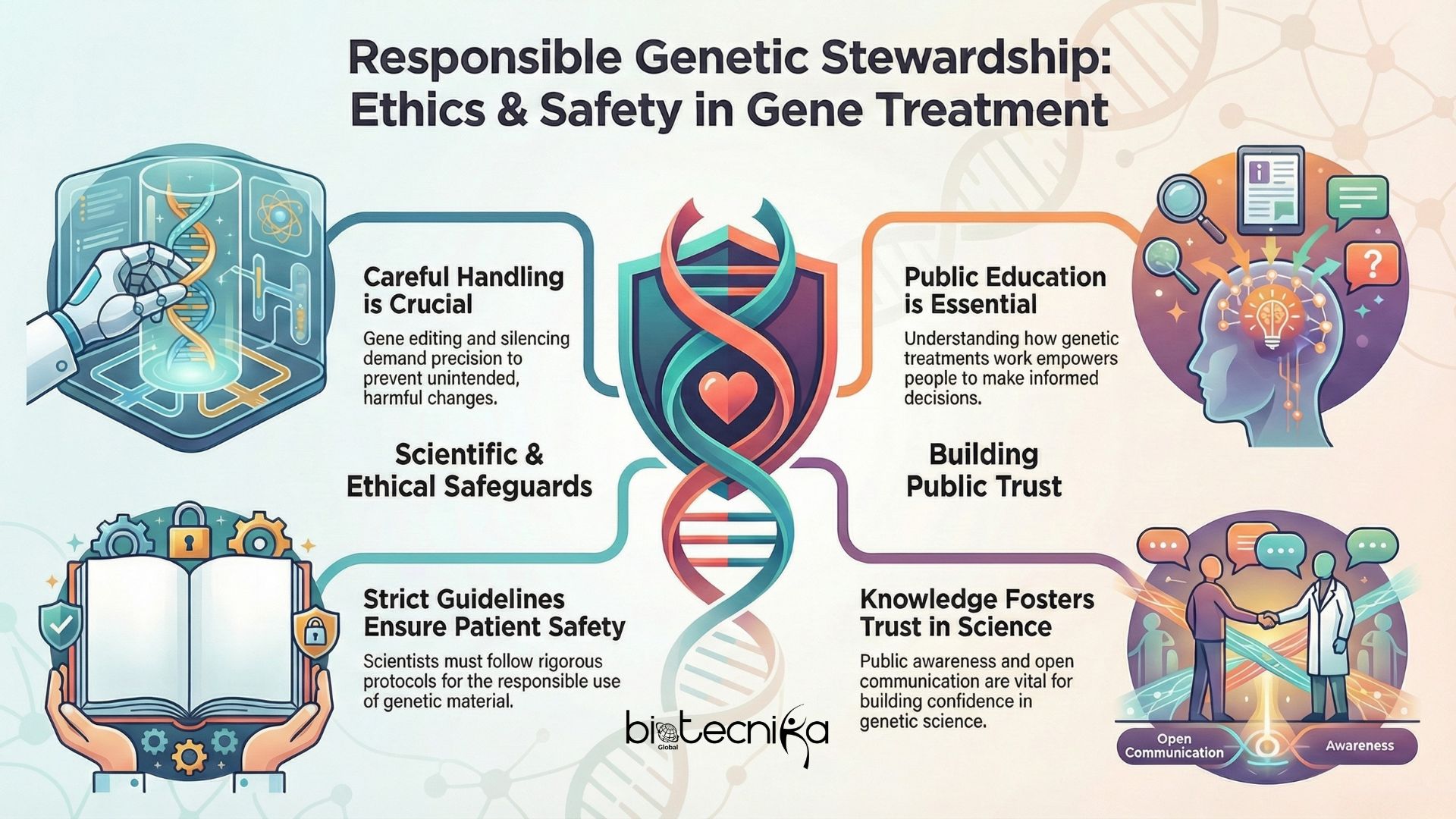
While genetic therapy offers many benefits, it also raises ethical questions. Gene Editing and gene silencing must be handled carefully to avoid unwanted changes. Scientists follow strict guidelines to ensure patient safety and responsible use of genetic material.
Public awareness and education are also important. Understanding how genetic therapy works helps people make informed decisions and builds trust in science.
The Future
The future of genetic treatment looks hopeful. With better technology, improved delivery methods, and a deeper understanding of genetic material, treatments will become more precise. Researchers continue exploring safer Gene Replacement options, advanced Gene Editing tools, and efficient gene silencing techniques.
As science moves forward, genetic therapy may change how inherited diseases are managed worldwide, giving patients a better quality of life.
Conclusion
To sum up, the discovery and development of genetic treatment has been and continues to have a broad impact on the understanding and treatment of all inherited disorders throughout the world. Modern techniques to manipulate genetic material are now offering potential long-term solutions to many inherited disorders through Gene Replacement, Gene Editing and Gene Silencing, compared to the past, where temporary solutions were developed. There remain several hurdles that still need to be addressed including cost, safety and access; however, as scientific research may continue to provide new insights into these genetic therapies, at this point the field of Genetics has prepared those seeking new treatments for the future and provided hope for having better health and a better quality of life for patients suffering from hereditary diseases than currently available treatments can offer.